Concrete Leveling Made Easy: Specialist Tips for a Durable and smooth Surface area
Concrete leveling is a crucial task for keeping both safety and visual appeals in any residential or commercial property. Numerous variables can bring about unequal surface areas, which may call for different approaches for improvement. Understanding these approaches is crucial, whether one go with self-leveling substances or even more sophisticated techniques like mudjacking. As the process unravels, it comes to be clear that proactive steps can substantially affect the long life of concrete surfaces. Discovering these techniques will certainly disclose the most effective remedies.
Comprehending the Root Causes Of Uneven Concrete
Irregular concrete surfaces can commonly be traced back to several underlying reasons. One common variable is dirt settlement, which happens as the ground beneath the concrete shifts or compresses over time. This can arise from inappropriate compaction during the first installation or adjustments in dampness levels. One more adding variable is tree roots, which can expand below concrete pieces, pushing them upward and producing disproportion. In addition, freeze-thaw cycles can result in heaving, as water infiltrates cracks and broadens when frozen. Poor drainage can intensify these issues, enabling water to pool and deteriorate the soil below the surface. Recognizing these factors is necessary for homeowners seeking to deal with and fix the unevenness in their concrete frameworks successfully.
Assessing the Damages: When to Level Your Concrete
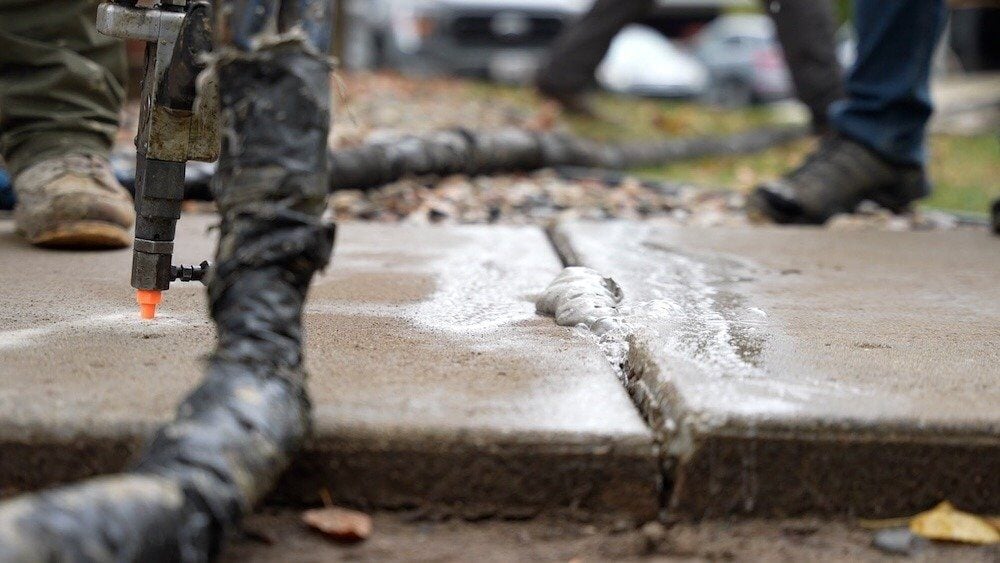
Indications of Uneven Surfaces
A visible change in the surface of concrete can bring about various issues, making it necessary to identify the indicators that show a need for leveling. One usual sign is the presence of splits, which might look like little fissures or bigger gaps. Additionally, unequal surface areas typically cause pooling water, developing a risk throughout rain or snow. Homeowners might likewise notice a noticeable incline or dip in the concrete, impacting aesthetics and functionality. When strolling on the surface; hollow or echoing noises can indicate spaces beneath, another indication is the audio created - Poly Lifting. Routine evaluation for these signs can aid stop further wear and tear, making certain a safe and secure concrete surface for years to find
Effect On Safety And Security Issues
Concrete surfaces that exhibit indications of damage can position significant safety risks to individuals and residential property. Cracks, unevenness, and resolving can result in stumbling dangers, influencing pedestrian safety and security and raising the possibility of accidents. Furthermore, endangered surface areas might create further structural damages, which can escalate repair service expenses and affect residential or commercial property value. Recognizing when to level concrete is vital; homeowners need to check for noticeable wear and tear, such as visible slopes or huge cracks. Regular evaluations and timely interventions can alleviate dangers, guaranteeing a secure environment for both residents and site visitors. Proactively addressing these problems not just improves safety and security however also extends the life of the concrete, giving a smooth and long lasting surface area for various applications.
Tools and Products Needed for Concrete Leveling
When preparing for concrete leveling, recognizing the crucial tools and materials is crucial. A complete checklist of essential things assurances that the procedure runs efficiently and successfully. This section will certainly lay out the secret devices and materials needed for successful concrete leveling.
Essential Tools Overview
Effective concrete leveling needs a selection of vital tools and materials that ensure accuracy and efficiency. Key devices include a concrete float, which smooths the surface area; a screed board, used to level the concrete; and a trowel for ending up sides. A degree is essential for guaranteeing an also surface area, while a concrete mixer is essential for preparing the mix. Furthermore, a wheelbarrow aids in delivering products, and security gear, like safety glasses and handwear covers, shields the worker during the process. For larger projects, a concrete pump might be required to provide the mix successfully. Having these tools available enables a structured leveling process, making sure a sturdy and smooth coating that satisfies project requirements.
Required Materials List
A comprehensive materials checklist is important for any person embarking on a concrete leveling project. Secret items include leveling compound, which fills out low areas, and a blending container for preparation. A trowel is required for smooth application, while a float assists attain an also coating. Furthermore, a straight edge or degree is very important to guarantee precision throughout the leveling process. For security, gloves and safety goggles need to be consisted of. A concrete mixer may be helpful for bigger projects, while a broom works for surface area prep work. A damp fabric help in cleansing devices post-project. Collecting these materials in advance will certainly simplify the leveling procedure and add to a successful result.
Step-by-Step Overview to Leveling Your Concrete
Concrete leveling requires a methodical method to assure a smooth, even surface area. First, the area has to be thoroughly cleaned up, eliminating all particles and loosened material. Next, examine the concrete for fractures or damages and repair them as necessary. Once the surface that site is prepped, note the areas requiring leveling, utilizing a chalk line for accuracy. Mix the picked leveling substance according to the manufacturer's guidelines, making certain correct uniformity. Put the substance onto the low spots, spreading it equally with a trowel. Permit the compound to heal and clear up as guided, avoiding foot website traffic throughout this period. Ultimately, examine the surface for consistency making use of a degree tool, making any kind of needed changes prior to sealing the concrete to secure it from future wear.
Choosing the Right Leveling Approach: Mudjacking vs. Polyurethane
Choosing the appropriate leveling approach is vital to achieving lasting outcomes. Two usual methods are mudjacking and polyurethane foam injection. Mudjacking entails pumping a cement-based blend beneath the concrete piece to lift it back to its initial setting. This technique is frequently cost-effective and ideal for bigger tasks however can be larger and much more time-consuming. In comparison, polyurethane foam injection makes use of light-weight foam to lift and stabilize the concrete. This method provides faster treating times and very little disturbance yet might come at a greater expense. Ultimately, the option between mudjacking and polyurethane depends upon particular task needs, consisting of budget, dirt conditions, and the dimension of the area calling for leveling, ensuring resilient and efficient options for unequal surface areas.
Preventative Measures to Stay Clear Of Future Unequal Surface Areas
Several house owners neglect preventative procedures that can assist keep a level surface area gradually. Frequently checking the concrete for crevices and splits is vital, as very early detection can avoid much more major issues. Ensuring proper water drainage around the home is also vital; water pooling near concrete can lead to disintegration and settling. Home owners must take into consideration utilizing landscape design methods, such as sloping dirt far from concrete surfaces, to even more reduce water-related damage. Additionally, using a premium sealer can shield versus dampness infiltration and freeze-thaw cycles. Staying clear of excessive weight on concrete surface areas, especially during building or remodelling, can stop premature settling. By implementing these measures, home owners can considerably reduce the threat of future unequal surfaces
Keeping Your Concrete for Durability and Durability
Routine maintenance plays a vital function in ensuring the long life and sturdiness of concrete surfaces. To attain this, regular cleansing is important; particles, dirt, and discolorations should be eliminated promptly to stop wear and tear. In addition, sealing the concrete every few years produces a safety obstacle against moisture and dangerous chemicals. Inspecting for cracks or damage is essential, as timely repair work can stop more deterioration. Applying a resurfacer can likewise recover the look and functionality of worn surfaces. Moreover, taking care of water drain and avoiding heavy loads can substantially reduce tension on the concrete. By adhering to these upkeep practices, residential property proprietors can prolong the life of their concrete surface areas, guaranteeing they remain both functional and visually appealing for years to come.
Frequently Asked Concerns
Exactly How Long Does Concrete Leveling Usually Take to Complete?
Concrete leveling generally takes between one to three hours for smaller sized locations, while bigger jobs may need numerous days. Aspects affecting duration include the size of the location, approach utilized, and weather condition conditions.
Can I Level Concrete Myself, or Should I Work with a Specialist?

What Weather Condition Conditions Are Ideal for Concrete Leveling?
Perfect climate condition for concrete leveling consist of mild temperature levels in between 50 ° F and 85 ° F, with low moisture and very little wind (Concrete Leveling Des Moines). These factors help assure correct treating and adherence, decreasing the threat of inconsistencies and fractures
Is It Safe to Walk on Leveled Concrete Instantly After Application?
Strolling on leveled concrete right away after application is generally not risk-free (Concrete Leveling). It needs time to cure properly, and premature foot traffic can damage the surface, causing blemishes and a reduced life-span of the leveling material
Just How Much Does Concrete Leveling Usually Expense?
Concrete leveling typically sets you back in between $3 to $25 per square foot, depending on aspects like the extent of leveling needed, the approach used, and regional rates variations. Property owners need to obtain several quotes for exact estimates.
Examining the damages to concrete surfaces is necessary for keeping safety. An obvious change in the surface of concrete can lead to various problems, making it essential to acknowledge the indicators that indicate a requirement for leveling. Trick tools include a concrete float, which smooths the surface area; a screed board, used to level the concrete; and a trowel for completing sides. A degree is vital for making sure an also surface area, while a concrete mixer is essential for preparing the mix. Slabjacking Iowa. Concrete leveling requires a methodical strategy to guarantee a smooth, even surface